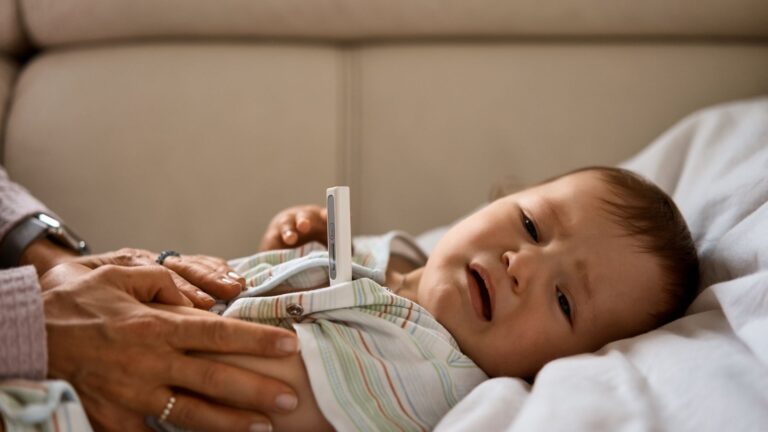
You touch your infants forehead and notice: it feels warmer than usual. Many parents recognize that wave of mild panic that can follow. Is this normal? Do I need to act? How can I tell if it’s serious? Fever in infants is common and often a sign that the body is working hard to fight something off. Still, it’s completely understandable to feel concerned and to want to know what you can do.
What is considered a fever in infants?
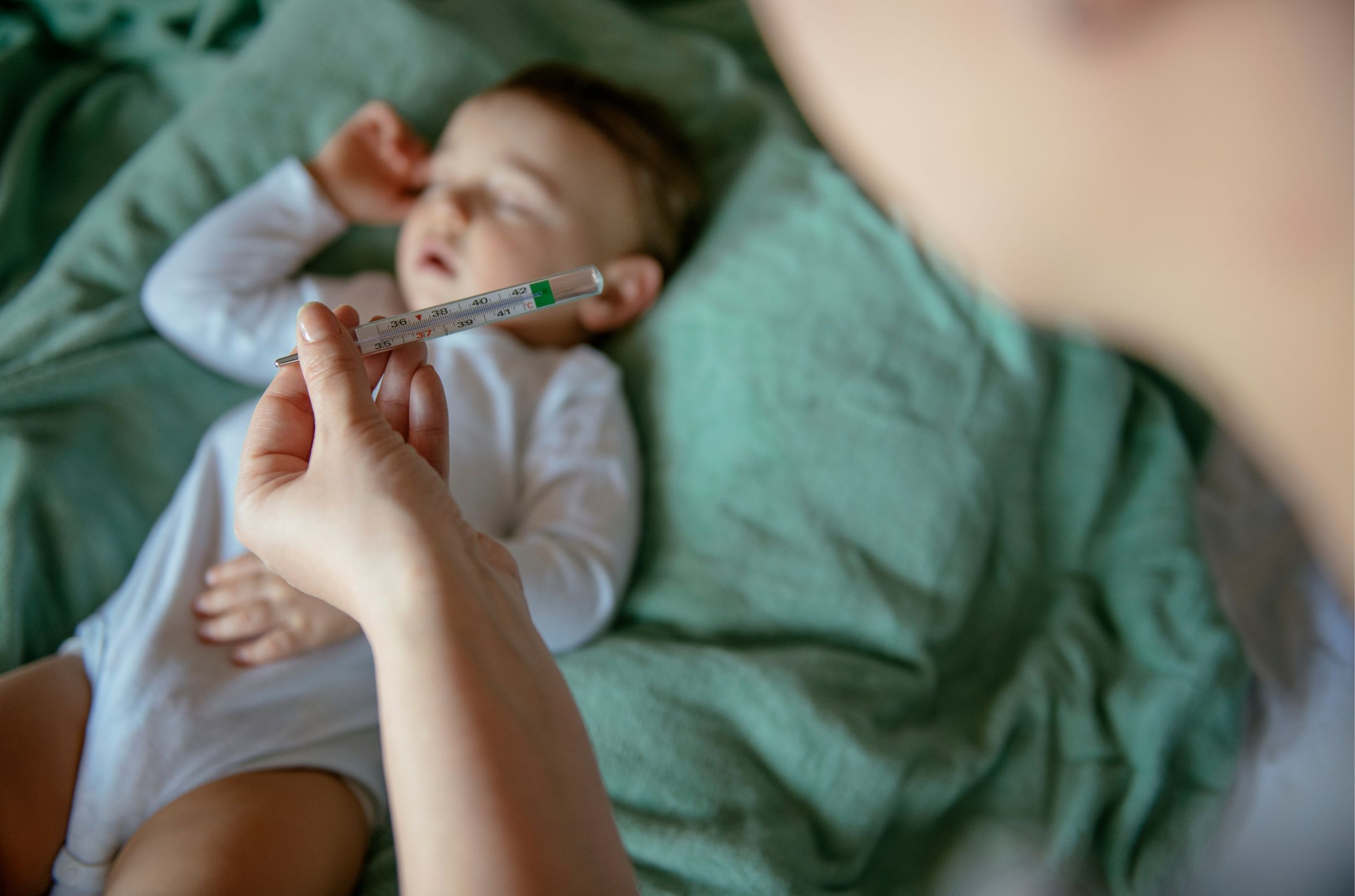
In infants and young children, we speak of a fever when the body temperature is 100.4°F (38°C) or higher, measured with a reliable thermometer (preferably rectally). It’s good to know that infant fever temperature can fluctuate throughout the day. It’s perfectly normal for it to be a little higher in the evening without any underlying problem. Most importantly: infants under the age of three months with a fever should always be seen by a doctor, even if they don’t seem otherwise ill. This helps prevent overlooking any underlying condition in this early stage.
When is a fever considered high?
We talk about high fever when the temperature reaches 104°F (40°C) or more. Some infants experience febrile seizures at this stage. These can be frightening to witness, but they’re usually harmless. Even so, it’s a good idea to contact your pediatrician or urgent care if your infant has a high fever, is drowsy, or is drinking poorly. Knowing how to reduce high fever in infants and when to seek help can make a big difference in feeling confident as a parent.
Possible causes of fever in infants
Fever in infants is not an illness in itself, it’s a symptom. The body raises its temperature to fight off viruses or bacteria. Some possible causes of infant fever include:
- A cold or flu virus
- Ear infection
- Throat or lung infection
- A viral response after vaccination
- Teething (which may cause a mild temperature rise)
- Gastrointestinal infection
Most cases are caused by a mild infection that will resolve on its own. In The Wonder Weeks app, you can connect with other parents going through the same thing, share your experiences, and learn how others are handling infant fever.
How to bring down an infant fever
In most cases, you don’t need to actively bring down the fever. It’s part of the body’s natural healing process. Still, there are a few things you can do to help your infant feel more comfortable. If you’re wondering how to bring down an infant fever gently, consider these steps to reduce fever naturally in infants:
- Offer plenty of fluids. Give extra breast milk or formula, or small sips of water if age-appropriate
- Dress your infant in light clothing. Avoid thick blankets or heavy layers
- Let your baby rest. But if they still want to play a little, that’s fine too
- Monitor their infant fever temperature and keep track of readings
- Use infant acetaminophen only if your child seems very unwell, and always consult your doctor if in doubt
These strategies show how to reduce fever naturally in infants, helping you manage the situation calmly and safely.
When should you call a doctor?
Contact your doctor in the following situations:
- Your baby is younger than three months and has a fever
- Your infant is unusually sleepy, unresponsive, or breathing rapidly
- The fever lasts longer than three days
- Your infant is drinking or urinating much less than usual
- A rash appears that doesn’t fade when pressed
- You simply feel something isn’t right
You know your baby best
Fever in infants is often a sign that their little bodies are working hard to get better. Most of the time, it will pass with rest, love, and attention. Trust your instincts: if something feels off, don’t hesitate to contact your healthcare provider. You’re doing great.