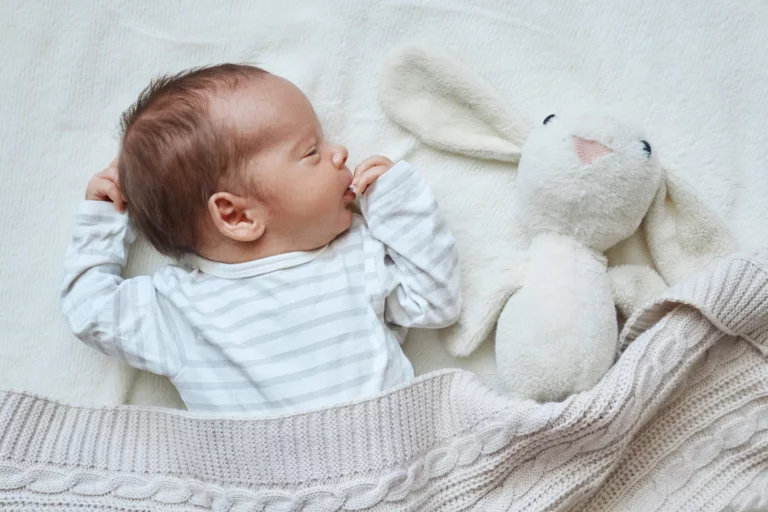
Infant sleep training: when to start and how to do it

Your baby still wakes up multiple times a night. You’re exhausted, trying routines, hoping for sleep. Maybe you’ve heard of infant sleep training and you’re wondering: “Should I try it? And how?

We will tell you what sleep training for infants actually means, when you can begin and which infant sleep training methods might be right for your family.

What is infant sleep training?

Infant sleep training means teaching your infant, gently and consistently, how to fall asleep independently and return to sleep without your help. The goal isn’t strict discipline, but rather predictability, structure, and calm.

Some parents use a step-by-step approach, staying near their baby. Others try a method with increasing intervals before comforting. There’s no “best” way: it’s about what works for you and your baby.

When can you start sleep training an infant?

You might have heard that you can start sleep training an infant around 4 months old. That’s partly true, but it depends on your baby and what “training” means to you.

Until about 4 months, babies need your help to fall asleep and soothe between sleep cycles. Their patterns are irregular, and frequent feedings are common. Around 4 months, a natural rhythm often begins to emerge.

If your baby shows signs of regularity, you can start teaching gentle sleep cues, like a consistent bedtime routine. Still, many parents wait until around 6 months before introducing infant sleep training methods, as babies are more neurologically ready to self-soothe.

So, when can you start sleep training an infant? The answer depends on your baby’s cues and on your comfort as a parent.

Checklist: is your baby ready to sleep train?

  • Your baby is at least 4 to 6 months old
  • Some sleep/wake rhythm is emerging
  • Your baby is healthy and growing well
  • You feel ready to start

Note: Many parents notice sleep changes around 4 months. This is often linked to a major developmental leap and sleep regression. It may be smart to wait until your baby settles before starting any infant sleep training methods.

Popular infant sleep training methods

There is no one-size-fits-all answer for how to sleep train your infant. Each baby is different. Here are the most common infant sleep training methods:

1. Gradual sleep training (gentle sleep training)

You stay near your baby while gradually reducing support. Start by soothing, rocking, hand on the tummy, whispering, then slowly phase it out. You remain predictable and close. Many parents prefer this balanced approach.

2. Ferber method (interval method)

Put your baby down drowsy but awake. If they cry, wait a set time before checking in (without picking them up), gradually increasing the wait time. Your infant learns they’re safe without instant help. Consistency is key here.

3. No-tears method

You respond immediately to every signal. This approach emphasizes emotional security through cuddling, singing, or rocking until drowsy. It’s slower, but many parents find it gentle and instinctive.

Whichever you choose, remember: It’s not a race. Sleep training for infants is a journey, not a formula.

Sleep regressions vs. sleep training

Things are going well, and suddenly everything falls apart? Welcome to sleep regression. Common around 4, 8, or 12 months, these regressions often coincide with developmental growth. When this happens, take a break from training. Once the storm passes, you can gently resume.

What if sleep training doesn’t work?

Sometimes you follow all the rules, and nothing changes. It’s normal. Here’s what might be affecting things:

Be kind to yourself. Learning to sleep is a skill, not a milestone. Every attempt helps.

Is infant sleep training safe?

Yes, when done in a safe sleep environment. Always place your infant on their back, in a crib with no blankets or toys. Ensure good airflow in the room. Still unsure? Check with your pediatrician.

Example bedtime routine for infants

Consistency helps your baby switch into sleep mode:

  1. Bath or warm washcloth
  2. Pajamas
  3. Feeding
  4. Soft lullaby or short book
  5. Into bed

Every night Is a new opportunity

Infant sleep training isn’t a quick fix, it’s a process. With time, patience, and love, your baby will learn. And you’ll gain confidence, rest, and peace.

Whether you’re starting gentle routines or exhausted by short naps, you’re not alone. Many parents are navigating the same sleepless nights. Trust your instincts, go step-by-step, and know that rest is possible. In our app, you will find tips on sleep, insights into development, and recognition from other parents who, like you, are looking for peace, rhythm, and confidence.

Did this article help you?

Yes No

    Share this article