
When can infants drink water?

As a parent, you want the very best for your baby. And that usually means that with every new phase come new questions. One of those questions many parents ask is: can infants drink water? Especially on warm days, or when your baby is getting a bit older, it’s completely normal to wonder when can infants drink water and whether it’s safe to offer a few sips.

Water seems harmless, but for young babies it isn’t always the right choice yet. In this article, we explain when infants can have water, why it’s better to wait in the first months, and how much water is safe once your baby is ready.
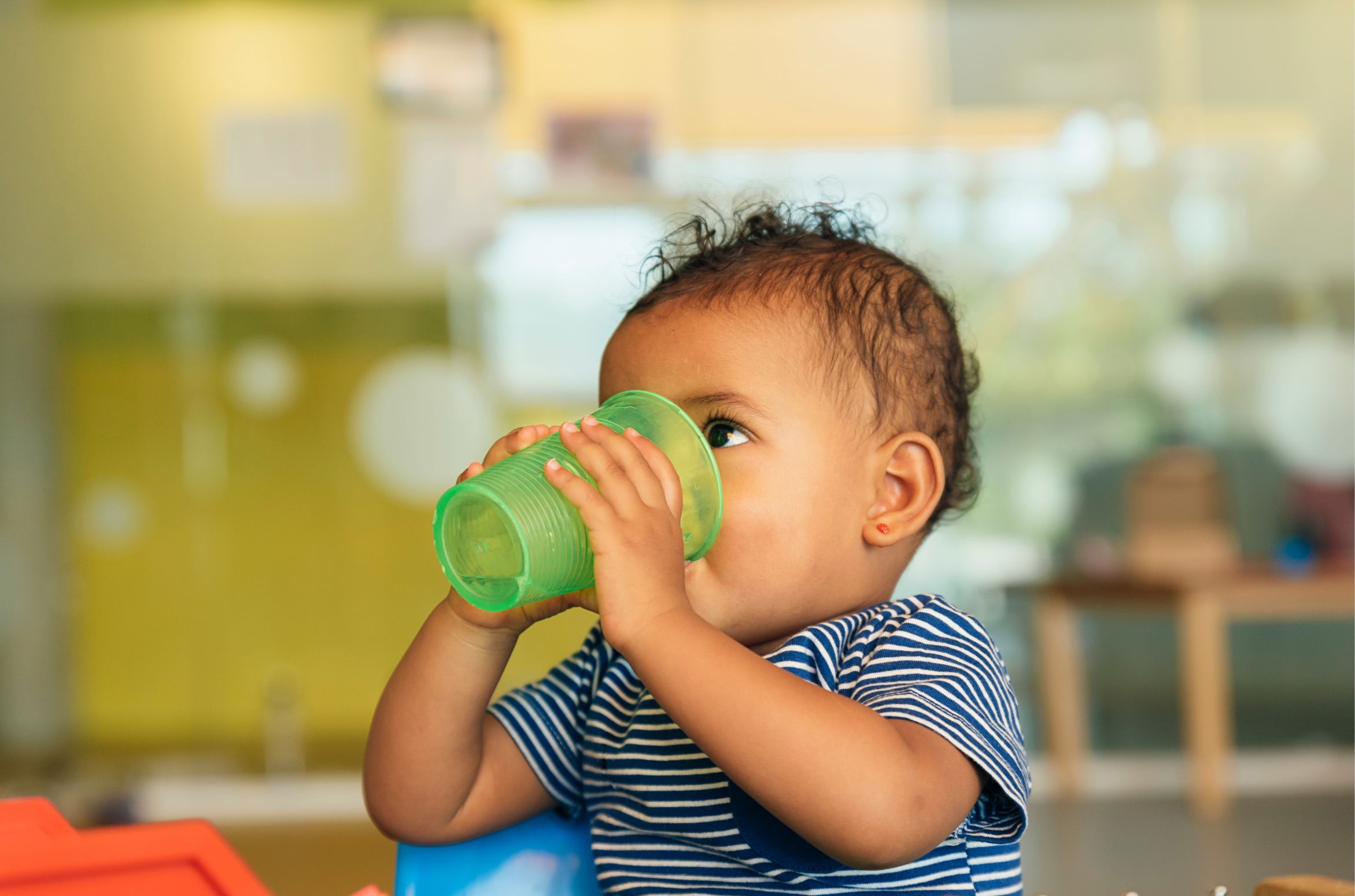
Can you give infants water?

For young babies, breast milk or formula is truly all they need. Both contain not only essential nutrients, but also enough fluids to keep your baby well hydrated. That’s why the answer to can you give infants water in the first months is usually no.

For babies younger than six months, giving extra water is not necessary and even discouraged. Their bodies are still developing and are not yet able to process water properly. This can disrupt the balance of salts in their blood, which is something you definitely want to avoid.

Why shouldn’t young infants drink water?

Many parents wonder: what age can an infant drink water? The general guideline is around six months of age. Before that, a baby’s kidneys are still immature, making it harder to handle excess water. This is also why there is a higher risk of water intoxication in infants under six months.

Once your baby reaches about six months and starts solids, you can slowly begin offering small sips of water. This is often when to start giving water to infants in a safe and gentle way. Water helps your baby get used to new textures and makes swallowing solid foods a little easier.

Choose tap water or still bottled water without added minerals or carbonation. Take it slow: start with just a few small sips a day and let your baby decide if they want more. Tip: download our app and talk to other parents about how they approach this milestone.

How much water should you give?

Until your baby turns one, milk remains the most important source of fluids and nutrition. Water is an addition, not a replacement. So if you’re asking when can infants have water, remember that it’s always alongside milk feeds.

From the age of one, your child can drink water more often, for example during meals or between them. Just make sure it doesn’t become too much. In general, a few small cups spread throughout the day are more than enough.

Water intoxication in infants: what you need to know

Water intoxication in infants is rare, but it’s important to understand what it is. It happens when a baby consumes too much water, causing sodium levels in the blood to drop too low. The risk is highest in babies under six months, because their bodies can’t regulate fluids well yet.

If you notice signs such as unusual sleepiness, strange behavior, or your baby suddenly refusing to drink after having a lot of water, contact a doctor right away. For babies older than six months who only get small amounts of water alongside milk or food, the risk is fortunately very small.

Everything in its own time

Water is healthy, but for young babies, timing really matters. During the first six months, they get all the fluids they need from breast milk or formula. After that, you can gently introduce small amounts of water step by step.

So if you’re still wondering when can infants drink water, remember: there’s no rush. Follow your baby’s cues, take it slow, and trust that you’re doing just fine.

Did this article help you?

Yes No

    Share this article