How to burp a newborn?

You’ve just fed your baby, and everyone around you says it’s important to burp them afterward. But why, exactly? And what’s the safest way to do it? Many new parents feel a little unsure at first, and that’s completely normal. Every baby is different, and what works for one might not work for another. In this article, you’ll learn why burping a newborn matters, when it’s necessary, and how you can help your little one.


Why do babies need to burp?

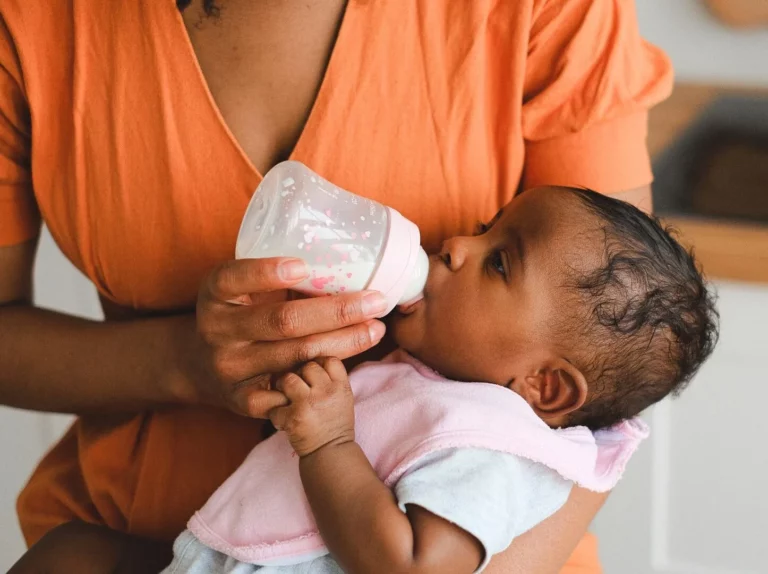
While feeding, babies often swallow small amounts of air, especially when drinking quickly or if the bottle nipple doesn’t fit well. That trapped air can create a full feeling, discomfort, or even cramps. Burping a newborn allows that air to escape, helping your baby feel more comfortable again. This applies to both formula-fed and breastfed babies, though babies who are bottle-fed tend to swallow a bit more air.

Does a baby always need to burp after feeding?

Not always. Some babies don’t have much trouble with air in their tummy and will burp naturally when needed. Others need a bit more help. Pay close attention to your baby’s signals: are they fussy after feeding, suddenly crying, or pulling their legs up? These may be signs of trapped air. If your baby seems calm and content, it’s okay if no burp comes. Still, knowing how to burp a newborn can be helpful for those moments when they do need a little assistance.

How to burp a newborn

There are several effective burping methods for newborns. Try a few to see what works best for you and your baby:

  • Over the shoulder
    Hold your baby upright with their head resting on your shoulder and support their bottom. Gently rub or pat their back.
  • Sitting on your lap
    Sit your baby upright on your lap with their chest leaning slightly forward. Support the head and gently rub or pat the back.
  • Face down on your arm
    Lay your baby face down across your forearm with their head slightly higher than their chest. Gently rub their back.

Sometimes it takes a few minutes for a burp to come out. Stay calm and consider switching positions for burping a newborn if one method doesn’t work. The best way to burp a newborn depends on what feels right for both of you. 

What if it doesn’t work?

If your newborn won’t burp but seems comfortable, there’s usually no need to worry. If your baby stays fussy or seems uncomfortable, you can always try again a bit later. If your baby consistently struggles with burping or often seems to have cramps, it’s a good idea to check in with your pediatrician or local health clinic. Sometimes, adjusting the feeding rhythm or position can make a big difference.

A gentle burp for newborn discomfort can go a long way in making your baby feel better after feeding.

In The Wonder Weeks app, you’ll find an active community where parents share tips and experiences about feeding and baby comfort, and you can track when your baby is in a leap!

How long should you burp a newborn?

Most babies need help with burping until around four to six months old. By then, they develop stronger muscle tone and tend to feed more calmly, which means they swallow less air. Some babies stop needing help sooner, while others might need a little more time. Go with your gut and tune in to your baby’s signals, you know your little one best.

So, burping a newborn after feeding isn’t always essential, but it can prevent a lot of discomfort. By staying calm and trying different positions for burping a newborn, you’ll naturally find what works best. And remember: no two babies are the same. What matters more than the perfect burp is that you watch your baby with love and confidence. The rest will follow.

Did this article help you?

Yes No

    Share this article