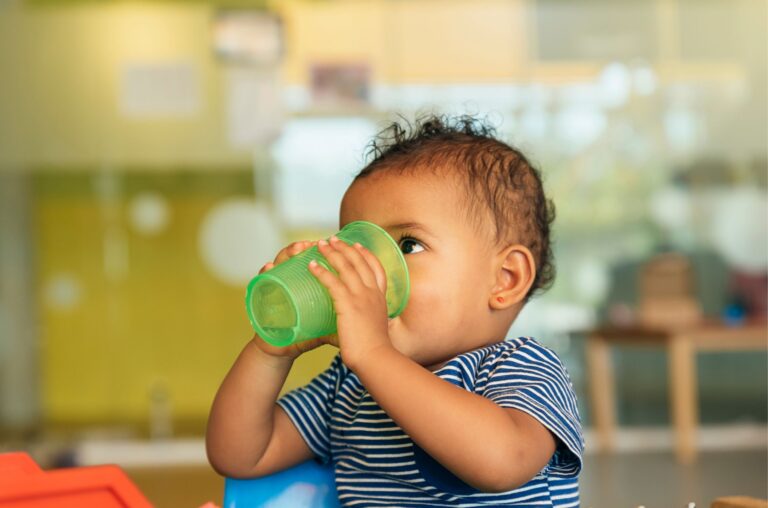
When Can Babies Drink Water?

It’s a hot summer day, your baby is resting in their crib, and you find yourself wondering: Can my baby drink water?

It seems like a simple question. After all, water is healthy.

But for babies, the answer is a little more complicated.

In this article, you’ll learn when babies can drink water, why you should wait during the first few months, and how to safely introduce water as your baby grows.
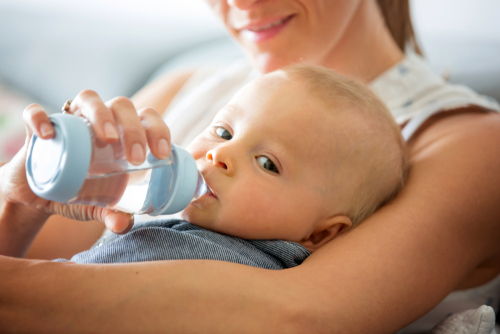
Can Babies Drink Water?

Yes, but only once they’re old enough.

Many parents are surprised to learn that newborns shouldn’t drink water.

A young baby’s kidneys are still developing and aren’t ready to process large amounts of water. During the first months of life, every feeding also needs to provide calories and nutrients.

Water doesn’t contain the nutrients your baby needs and can fill up their tiny stomach, causing them to drink less breast milk or formula.

Breast milk and infant formula already provide all the hydration and nutrition healthy babies need during the first six months.

When Can Babies Start Drinking Water?

The recommendation is simple: babies can start drinking water at around 6 months of age.

Until then, breast milk or formula provides all the fluids your baby needs—even on hot days.

If it’s warm outside, simply offer breast milk or formula more often to keep your baby hydrated.

Once your baby starts eating solid foods around 6 months, you can begin offering small sips of water with meals.

At first, water is simply a way for your baby to practice drinking. It shouldn’t replace breast milk or formula, which remain the primary source of nutrition throughout the first year.

How Much Water Can a 6-Month-Old Drink?

Once your baby reaches 6 months, start with just a few sips of water during meals.

An open cup or a straw cup is often recommended because it helps support healthy oral motor development.

How much water does a 6-month-old baby need?

Not very much.

Breast milk or formula should still make up the majority of your baby’s fluid intake until their first birthday.

Around 2 to 4 ounces (60 to 120 mL) of water per day, divided between meals, is usually enough during this stage.

Offering too much water may reduce your baby’s milk intake, which is why moderation is important.

Wondering what developmental stage your baby is in and what feeding milestones to expect?

The Wonder Weeks app provides personalized tips based on your baby’s age and development.

Can Babies Drink Water in Hot Weather?

One of the most common questions parents ask is whether babies need extra water when it’s hot outside.

If your baby is younger than 6 months, the answer is still no.

Offer breast milk or formula more frequently instead.

Breast milk naturally adapts to your baby’s needs in warm weather by becoming slightly more watery, helping your baby stay hydrated.

Once your baby is 6 months or older and eating solid foods, you can offer a few extra sips of water during hot weather.

Watch for signs of dehydration, including:

  • fewer wet diapers
  • a dry mouth or lips
  • unusual sleepiness or lethargy
  • crying with few or no tears

If you’re concerned that your baby may be dehydrated, contact your pediatrician.

How Do You Teach a Baby to Drink Water?

Learning to drink water is a gradual process.

An open cup is one of the best ways to help your baby develop drinking skills, although many families also choose a straw cup.

Here are a few tips to make the transition easier:

  • Start with very small amounts.
  • Offer water at regular times, such as with breakfast or lunch.
  • Let your baby see you drinking water they love copying what you do.
  • Expect spills. Learning takes practice.
  • Skip juice and sugary drinks. Water is the healthiest choice alongside breast milk or formula.

Want to learn more about feeding your baby during the first year?

Visit our page to baby feeding for expert advice on introducing solids, choosing drinks, and supporting healthy eating habits as your little one grows.

Did this article help you?

Yes No

    Share this article